
When a Young Dino Enthusiast Becomes a Reporter
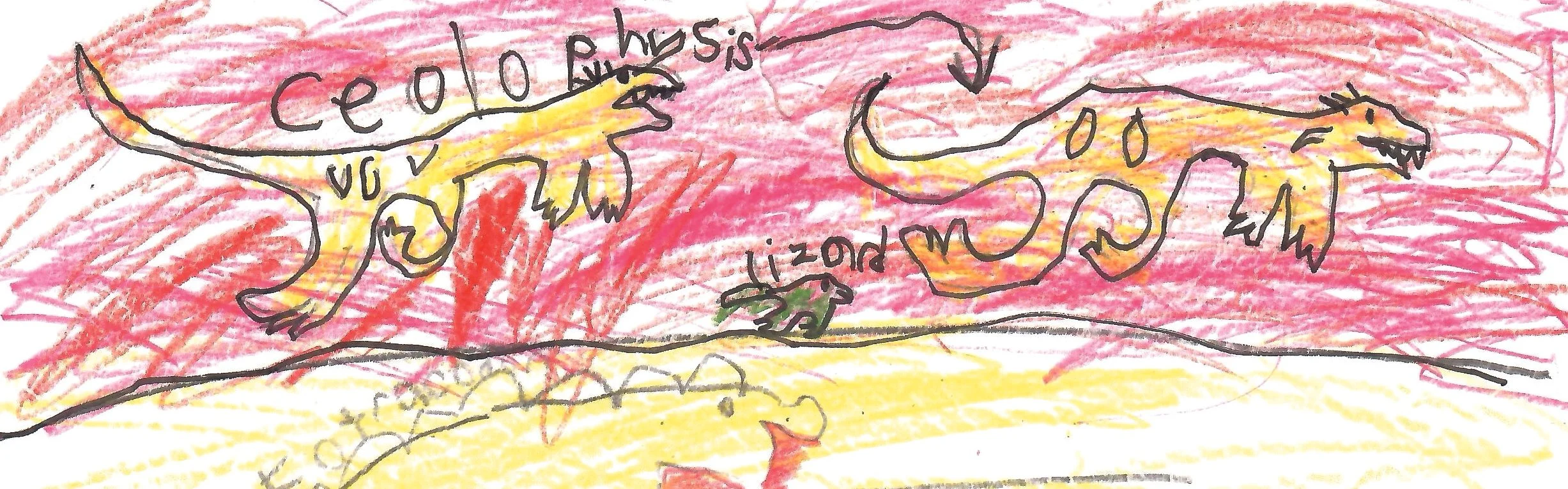
Sammy's Interview with the New York State Paleontologist
When it came time for Sammy to pitch a story idea for The Little Dispatch, the children's section of the Rivertowns Dispatch, there was really only one topic. Dinosaurs!
Making It Local
The first editorial question we asked together was: were there any dinosaurs here? This sent Sammy into research mode. He dug into books, articles, and databases looking for dinosaur evidence in New York and the surrounding region. What he found was surprising: New York State has one location with preserved dinosaur tracks and it's just across the Hudson River from us, in Rockland County.
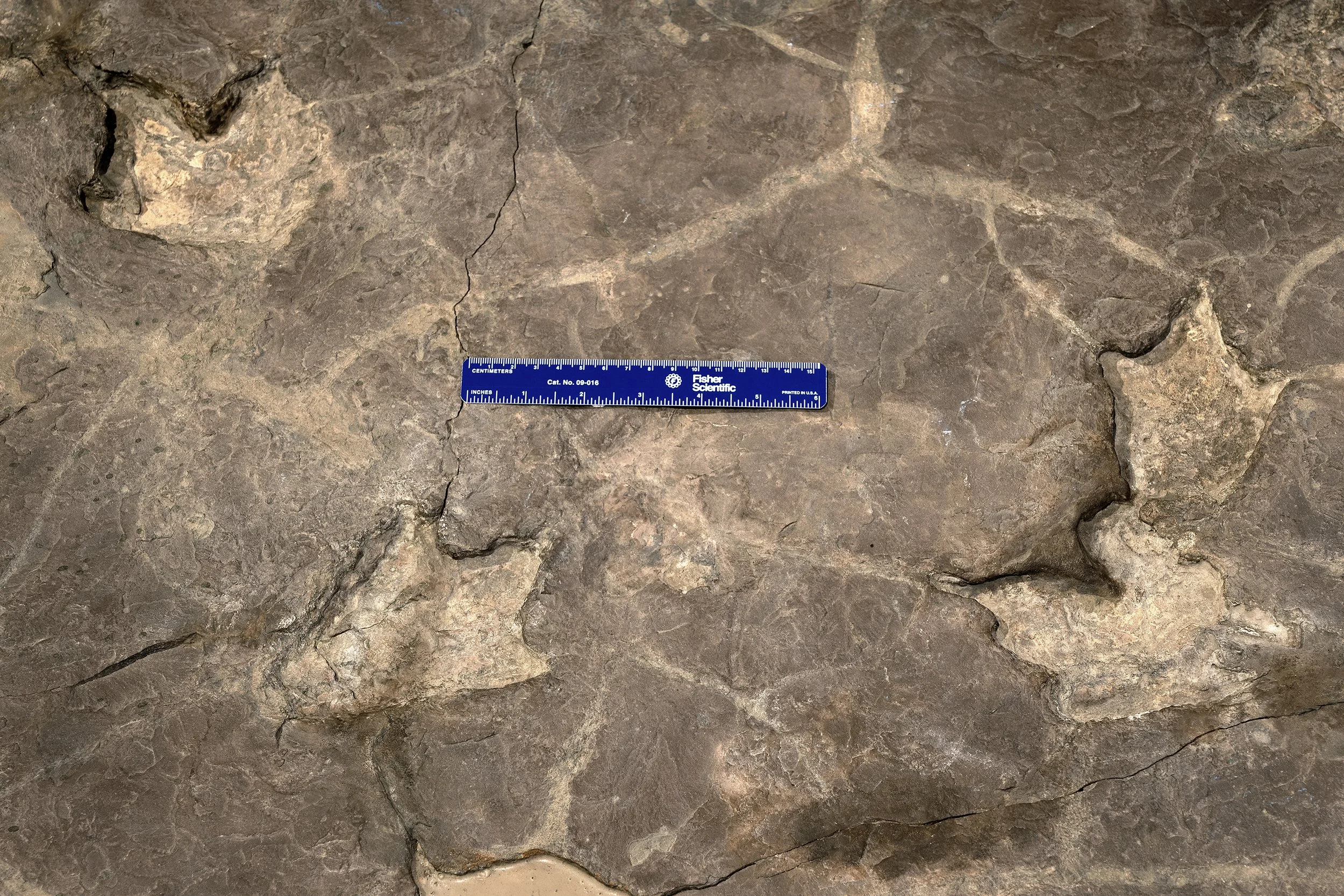
While researching, Sammy came across a remarkable story: dinosaur tracks had been discovered in the area in the early 1970s. Those tracks are now housed in the lobby of the New York State Museum in Albany. Sammy started drafting. He wrote what he knew, flagged what he wasn't sure about, and kept a running list of questions.
Asking an Expert
One of the most important things young journalists learn is that you can (and should) ask. You can email scientists, curators, and experts directly; sometimes you even get a response back! We contacted the education and media department at the New York State Museum and made a request on Sammy’s behalf: could the state paleontologist speak with a young reporter from Westchester? How exciting when Dr. Lisa Amati said yes!
Next came the preparation. Before the call, Sammy prepared his questions. We talked about how to open an interview (ask for the person's name and title even if you already think you know it!). We talked about how to end the interview (always ask: is there anything I didn't ask you that you'd like to share?).
What happened next is what makes journalism different from a book report. Sammy learned things you can't find anywhere else. Dr. Amati confirmed that the tracks were made by a small theropod, probably something like Coelophysis. She explained how paleontologists read tracks: the spacing of the toes, the distance between footsteps, and the firmness of the mud at the time.
Finishing Touches
After the interview, Sammy did what every reporter does: he went back to his draft with new information. He updated what he knew about the tracks. He added the detail about Coelophysis. He made choices about what to include and what to leave out. Then, we finalized art and made the decision to run the photo of the specimen that Dr. Amati shared with the Little Dispatch.
This is what real reporting looks like, and Sammy did every step of it! For access to Sammy’s article, check out the Friday, April 2 edition of the Little Dispatch, the children's section of the Rivertowns Dispatch. Want to read the full transcript of Sammy's interview with Dr. Lisa Amati, NY State Paleontologist? Check it out here:
📝 Story Salon is an after-school publishing studio for young people in the Rivertowns. Student work produced in our Newspaper Club is published in The Little Dispatch, the children's section of the Rivertowns Dispatch. Learn more at storysalon.studio.
🎨 Artwork shown here was created by Sammy W-P.
📸 The photo of the specimen of the Grallator tracks is courtesy of the New York State Museum.
🙌 We are so grateful for Dr. Lisa Amati’s support of student journalism and her willingness to talk with a young reporter.

Was this message forwarded to you?
Join the Story Salon mailing list to be the first to know about workshops, after-school classes, and opportunities for young people to publish their work…