
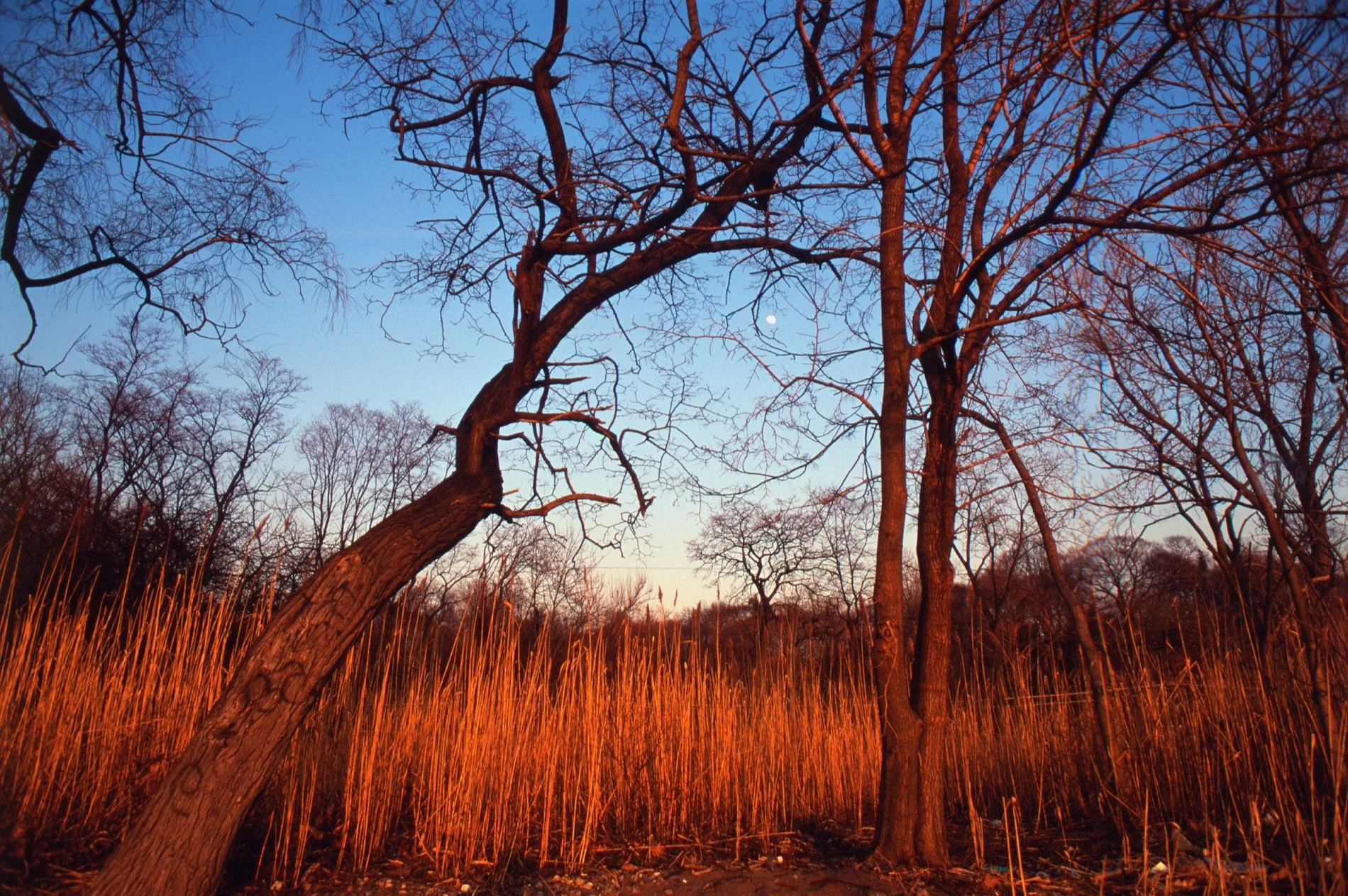
📸 Frederick Charles, 1990s
Reporting on a Native American Site in Dobbs Ferry, New York
Some of the oldest evidence of people in the Hudson Valley is a short walk from our classroom. Behind Mercy University, near the train tracks and the Hudson River, is the Wickers Creek Archaeological Site, where people lived 10,000 years ago. Last fall, Mayor Knell shared this clip of local resident and Friends of the Wickers Creek Archaeological Site Board Member, Alan Harris. His enthusiasm for our small village’s history was infectious. We knew we had to connect him with the Little Dispatch team!
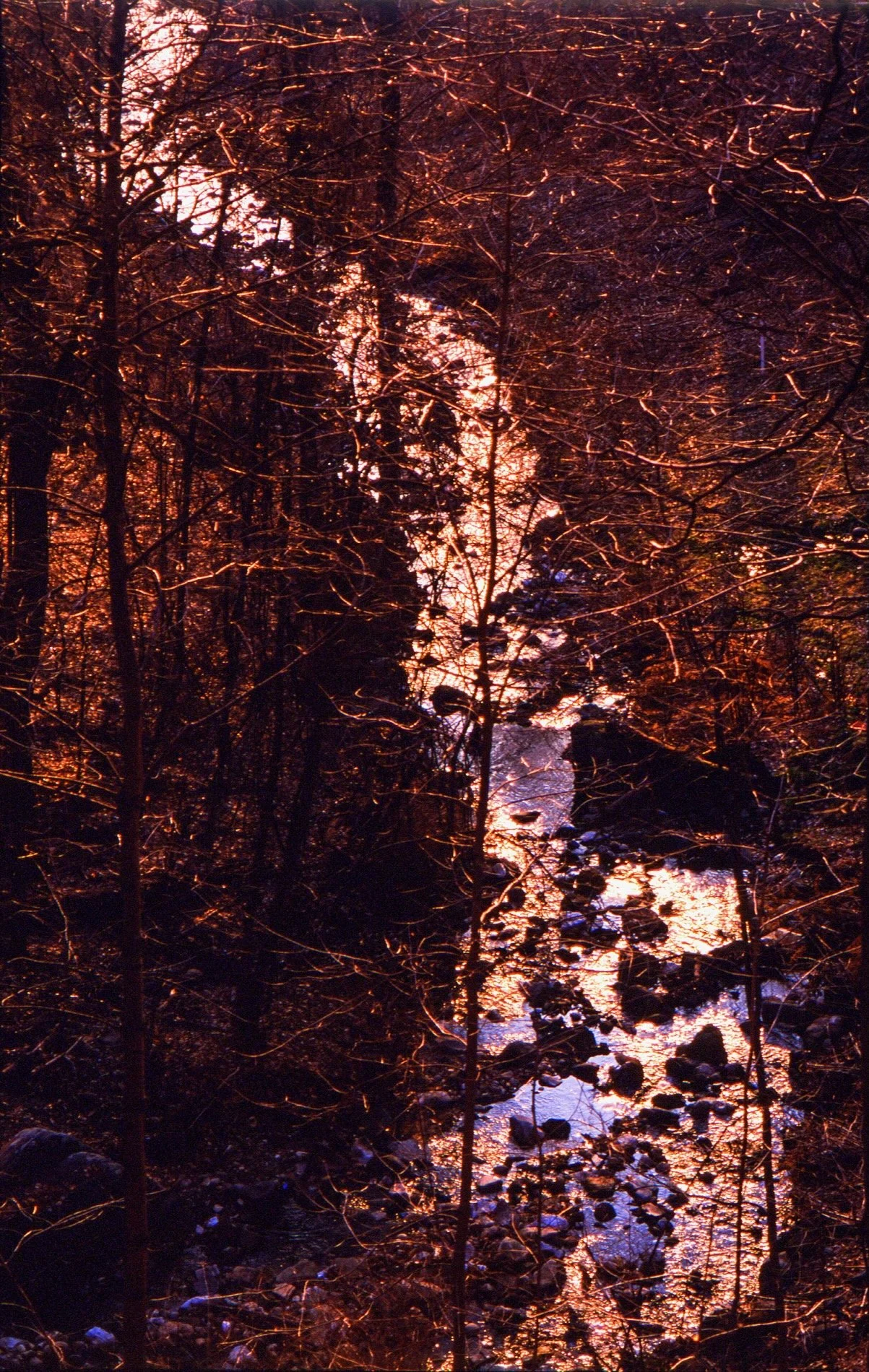
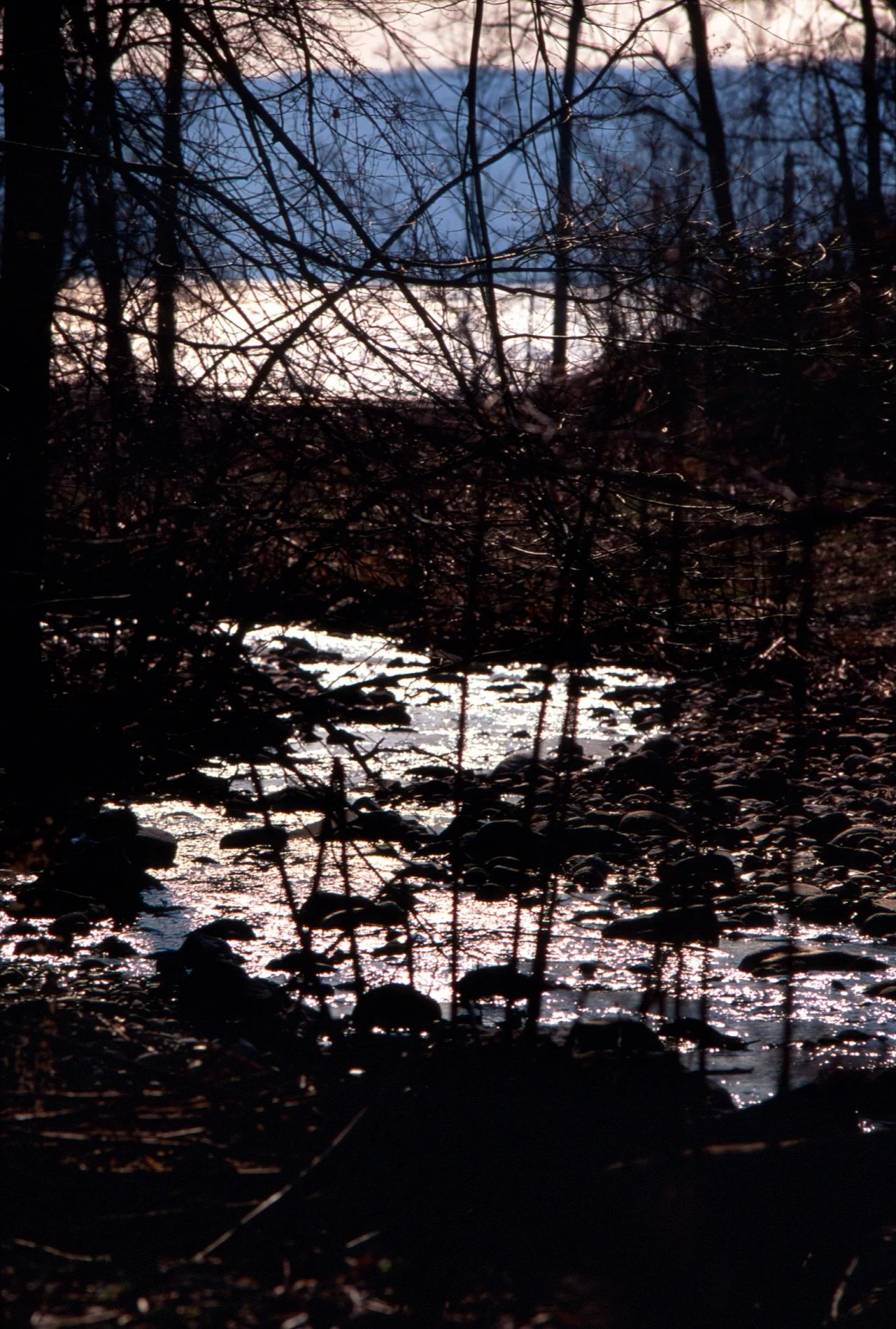
📸 Frederick Charles, 1990s
How We Report Together
Each semester, Story Salon’s Newspaper Club organizes a field trip or a group interview with a local expert. In the past, we visited Monica Shulman’s artist studio, wrote product reviews of toys provided by New Kawaii, and interviewed the Rivertowns Skate Society about their appeal for money to build a new skate park.
Some students are eager to conduct interviews with experts. Others prefer to take on a different role in the group reporting experience as artists, photographers, or note-takers. The group experience allows all students to participate in original research and reporting.
Why Reporting Matters
This is the backbone of journalism. We all have opinions. Opinions are important, and we publish those. Hopefully, children have had experience going to the library or looking up trusted websites for information and then writing about what they’ve learned. We absolutely do this at Newspaper Club too. It’s essential background work that we do first so we understand our topic.
What we do next is unique to journalism. We find out who the experts are. What are our questions? Who knows the answers to our questions? Maybe our uncle does, but let’s go to the expert who does this work, as Sammy did when he was writing about dinosaur footprints across the bridge. (He interviewed the state paleontologist.) By the time we arrive at our interview, we’ve exercised our critical thinking skills by distinguishing reliable sources from more questionable ones. We have a solid foundation of knowledge about our topic.
Doing Our Homework
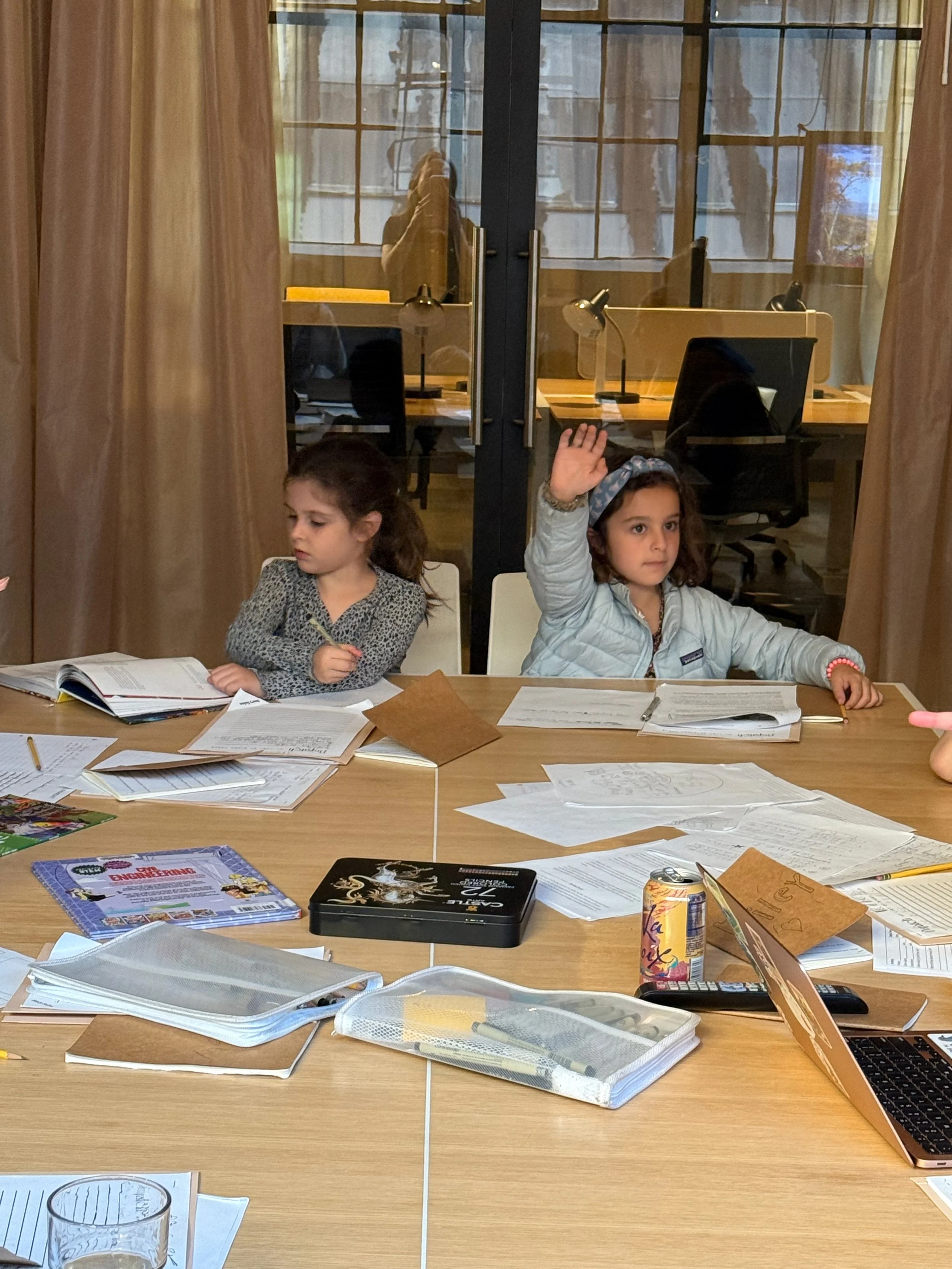
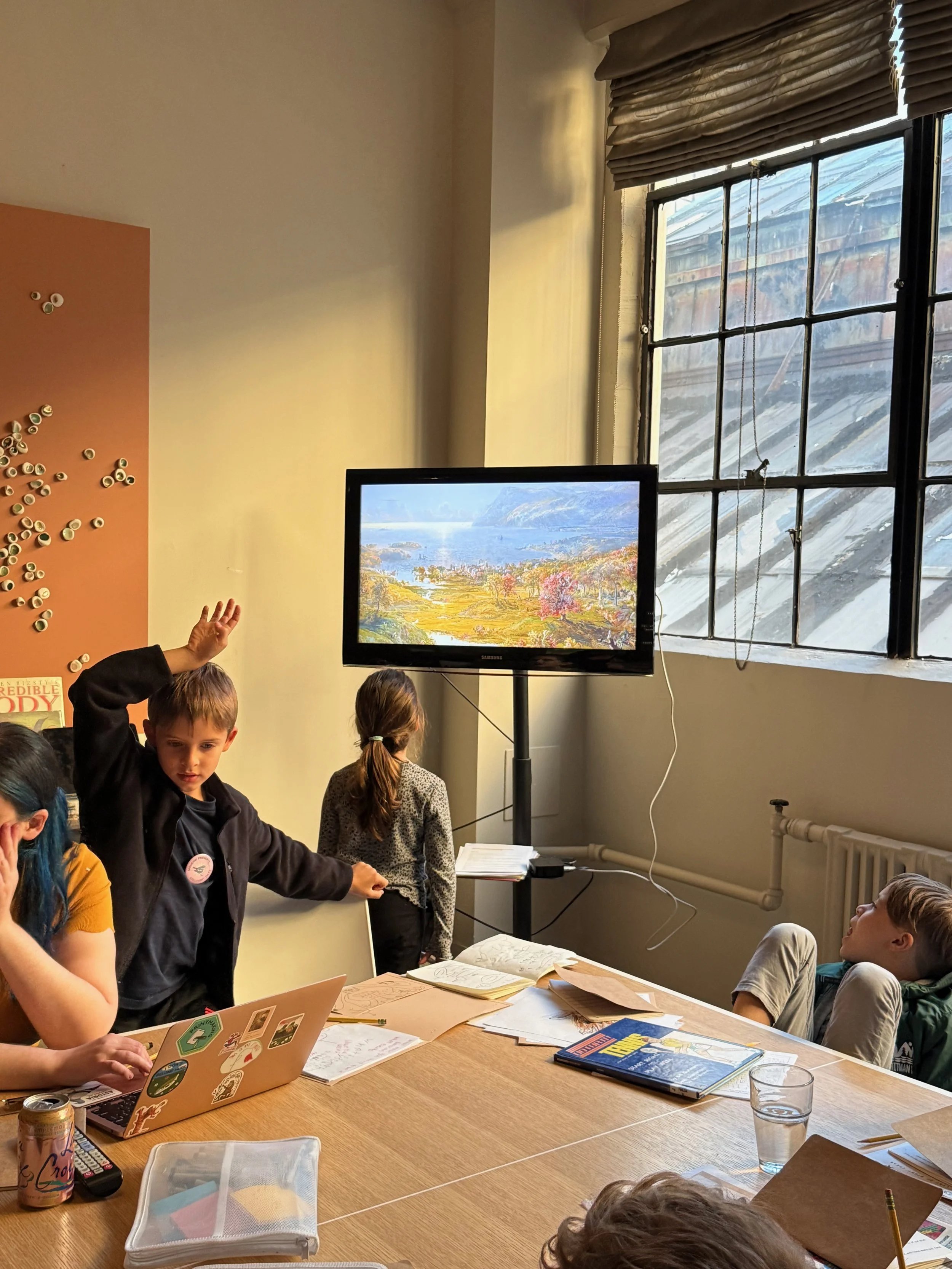
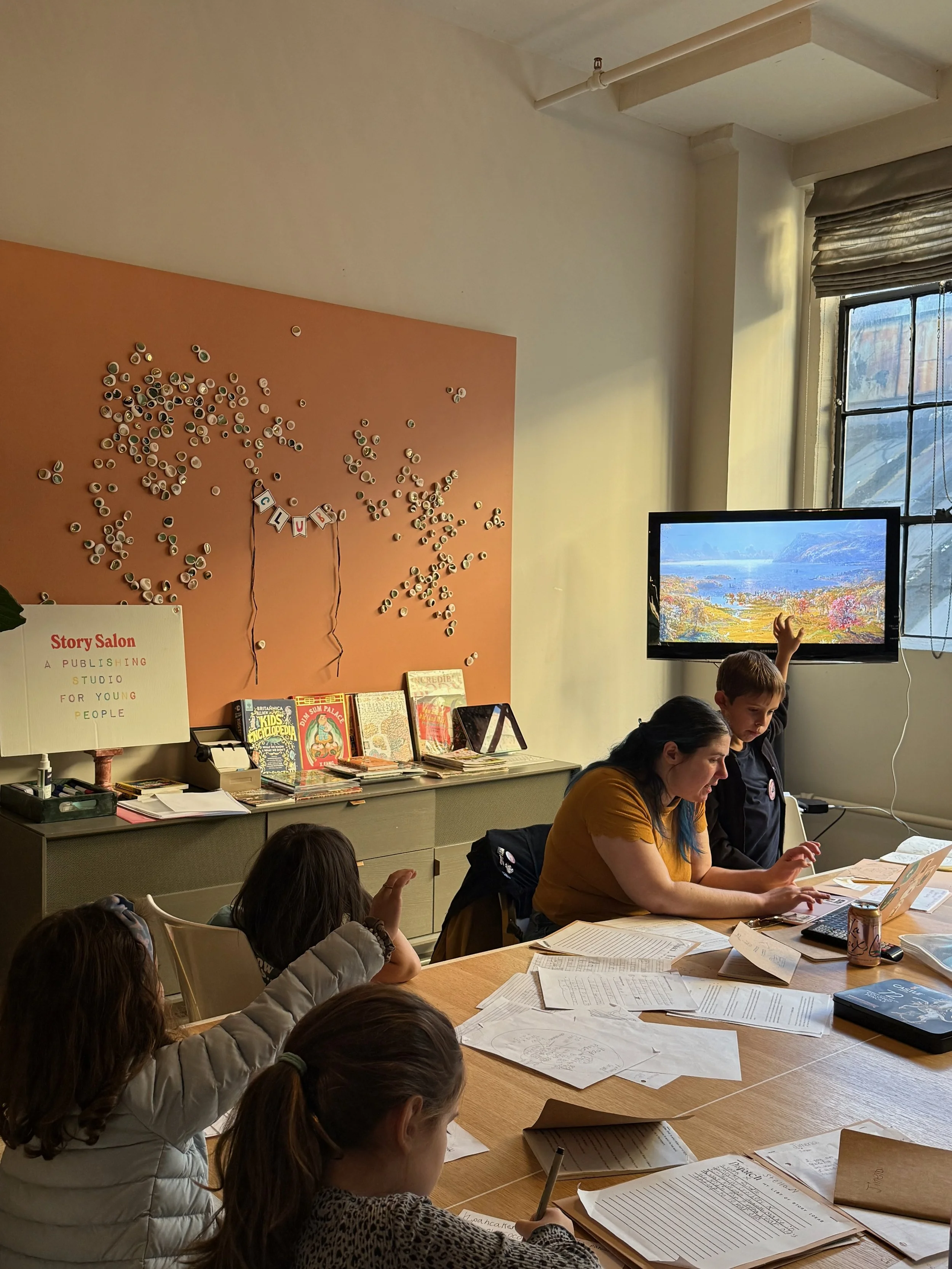
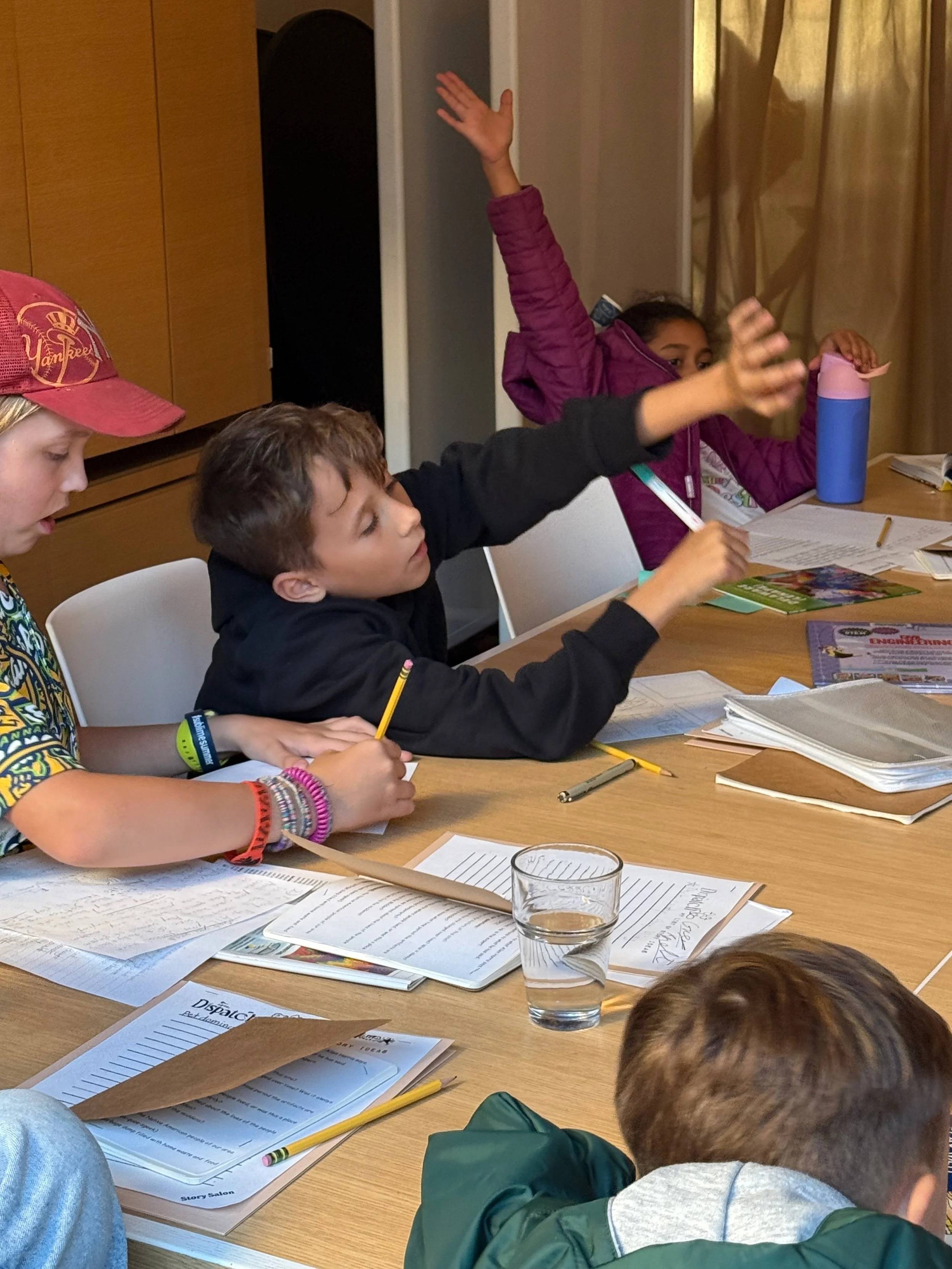
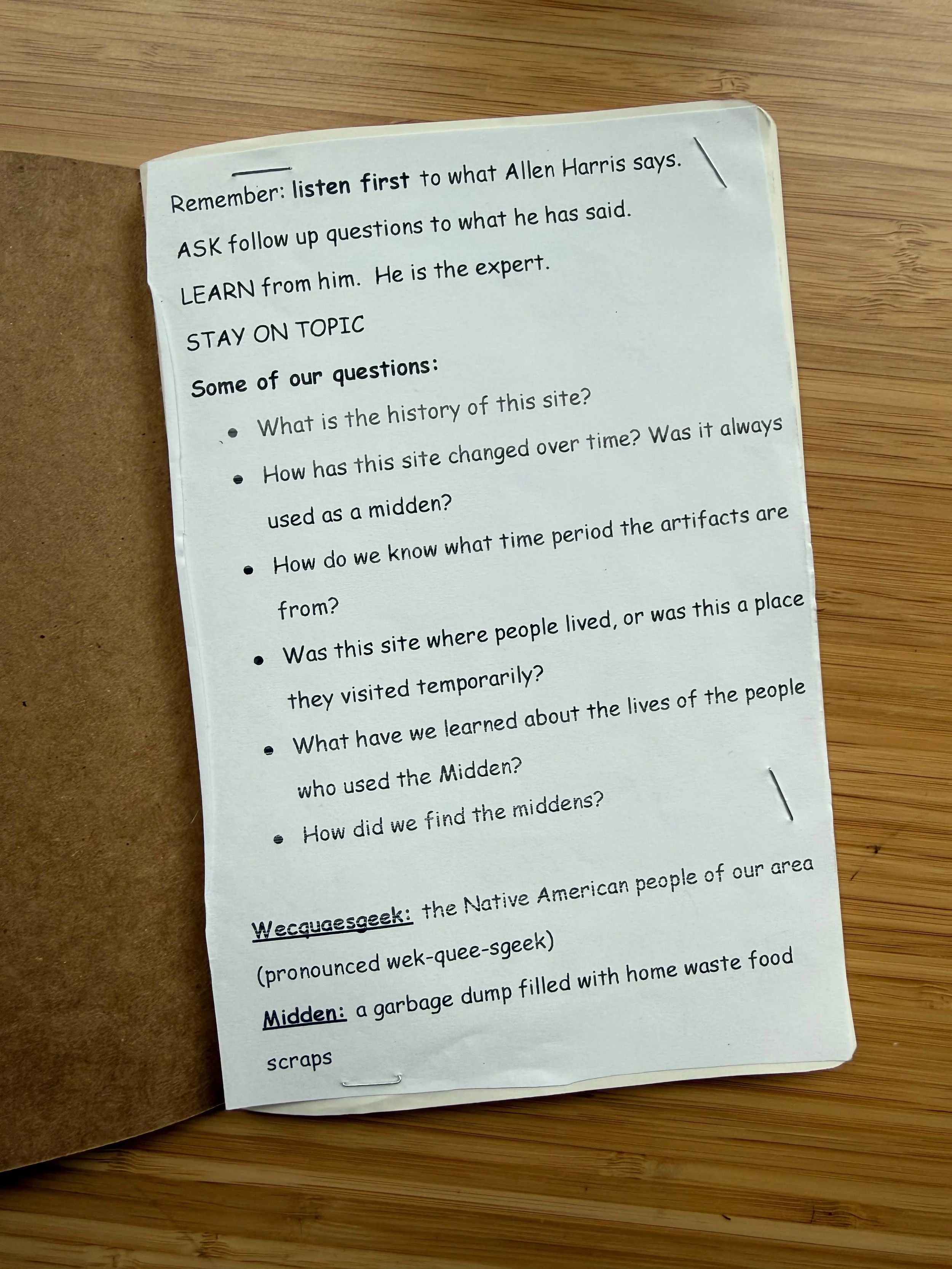
Before the field trip, the Little Dispatch team prepared. We introduced the concept of the “midden,” which one student defined for the group as “home waste and food scraps. A garbage dump.”
We talked about what we already knew and looked at images of the Lenape people, Native Americans who lived here.
We discussed the site itself, including its geographic location and logistics such as who we would be meeting on our tour.
Then the kids got to work developing their questions for our expert.
Into the Field
Alan began the tour, surprisingly, beside a sign that read “Private Property, No Trespassing.” He explained that the residents of Dobbs Ferry had fought for the public’s right to visit this place. They signed petitions, marched, made speeches, and went to court.
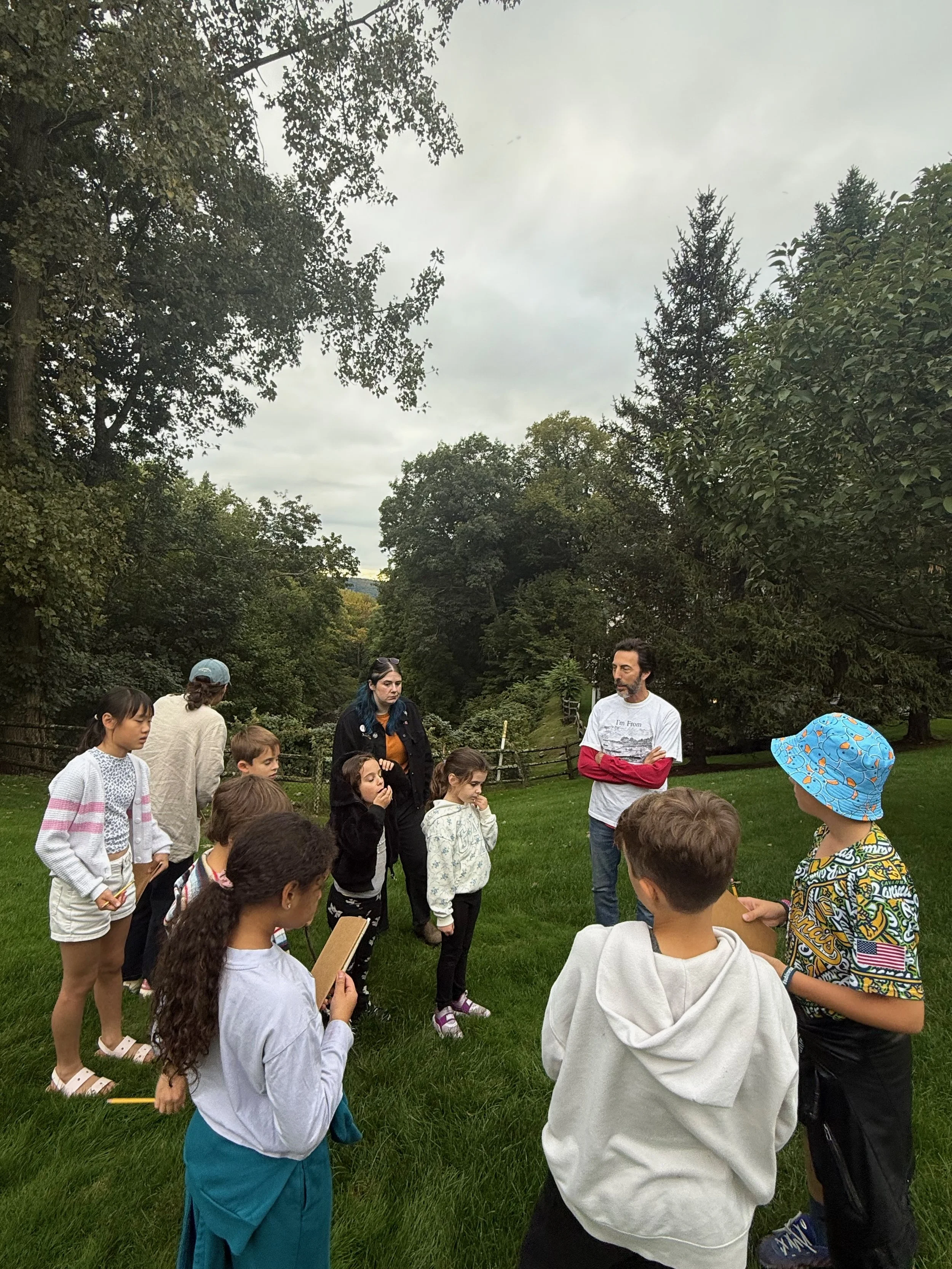
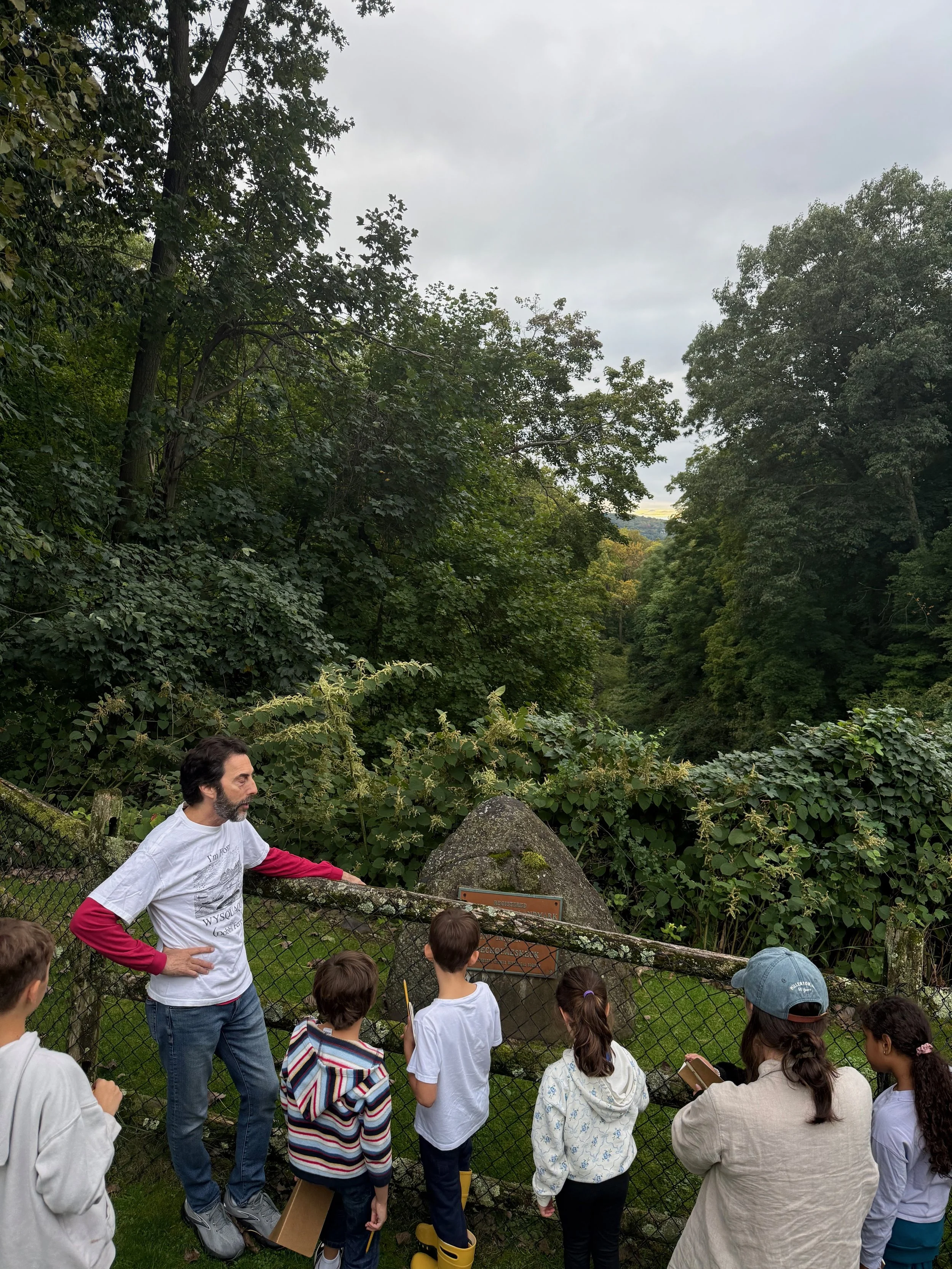
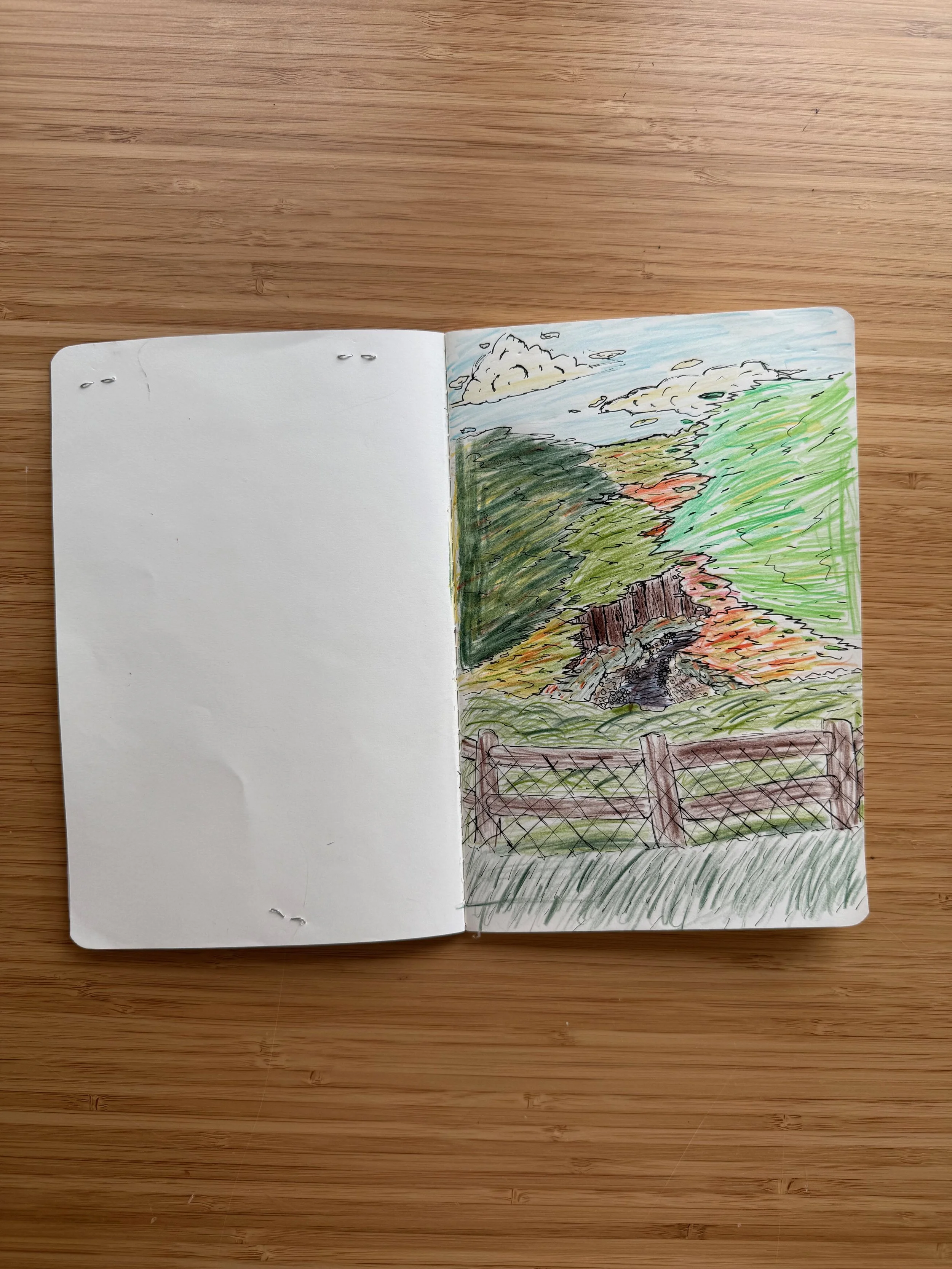
Along the way, the reporters stopped to sketch and take notes. At a boulder carved with one spelling of the village’s name, Alan told us there are at least 15 known spellings. The English heard the name and thought it sounded like “Wickers,” and that’s how the creek got its name.
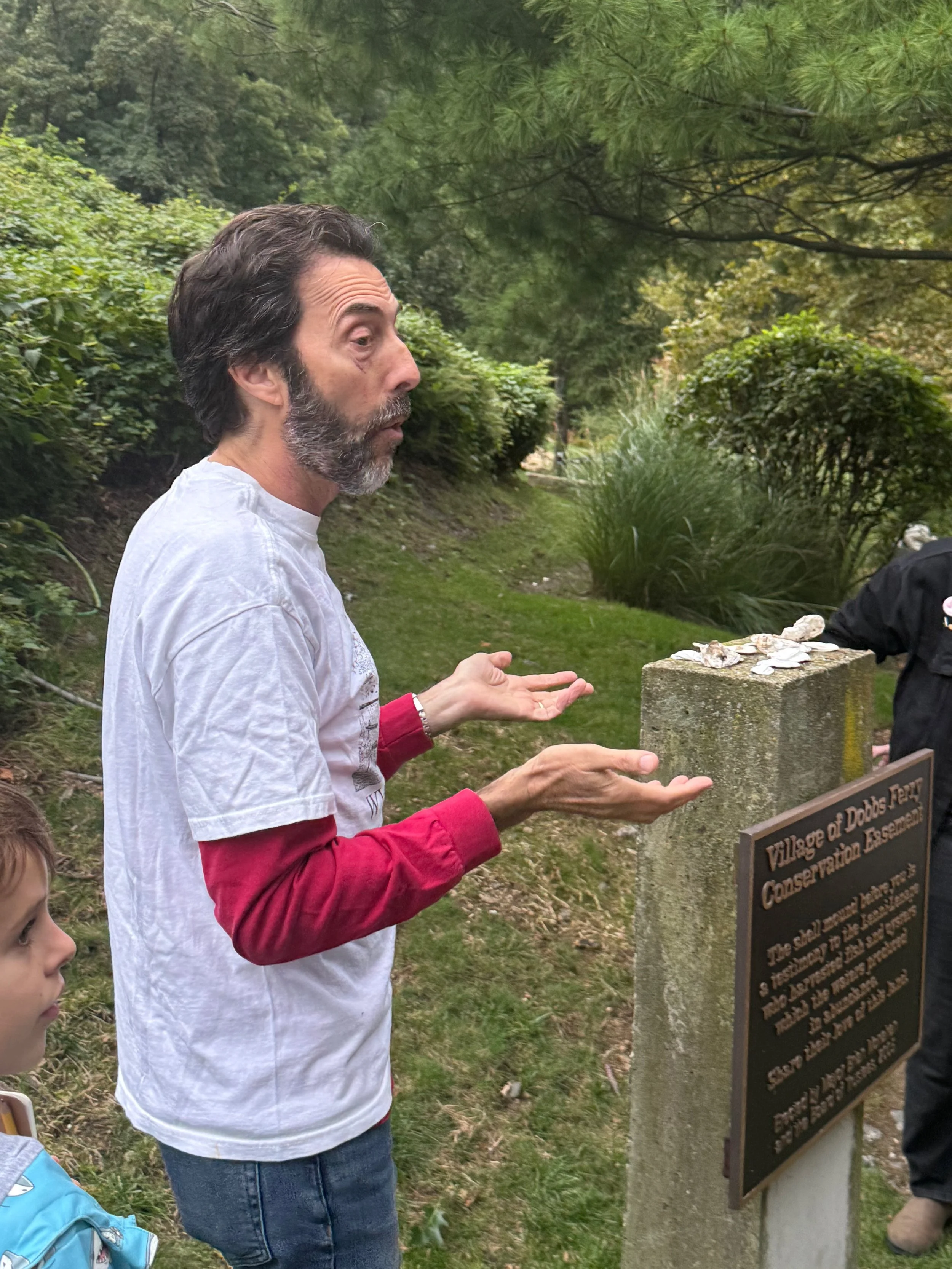
At the shell midden, now an overgrown knoll, the kids saw oyster shells that had washed out of the bank after rain. Alan explained that a projectile tip about 10,000 years old had been found in the pile. He also explained why people chose to live here. Wickers Creek gave them fresh water, and the Hudson, which the people here called “the river that runs both ways,” gave them fish and shellfish.
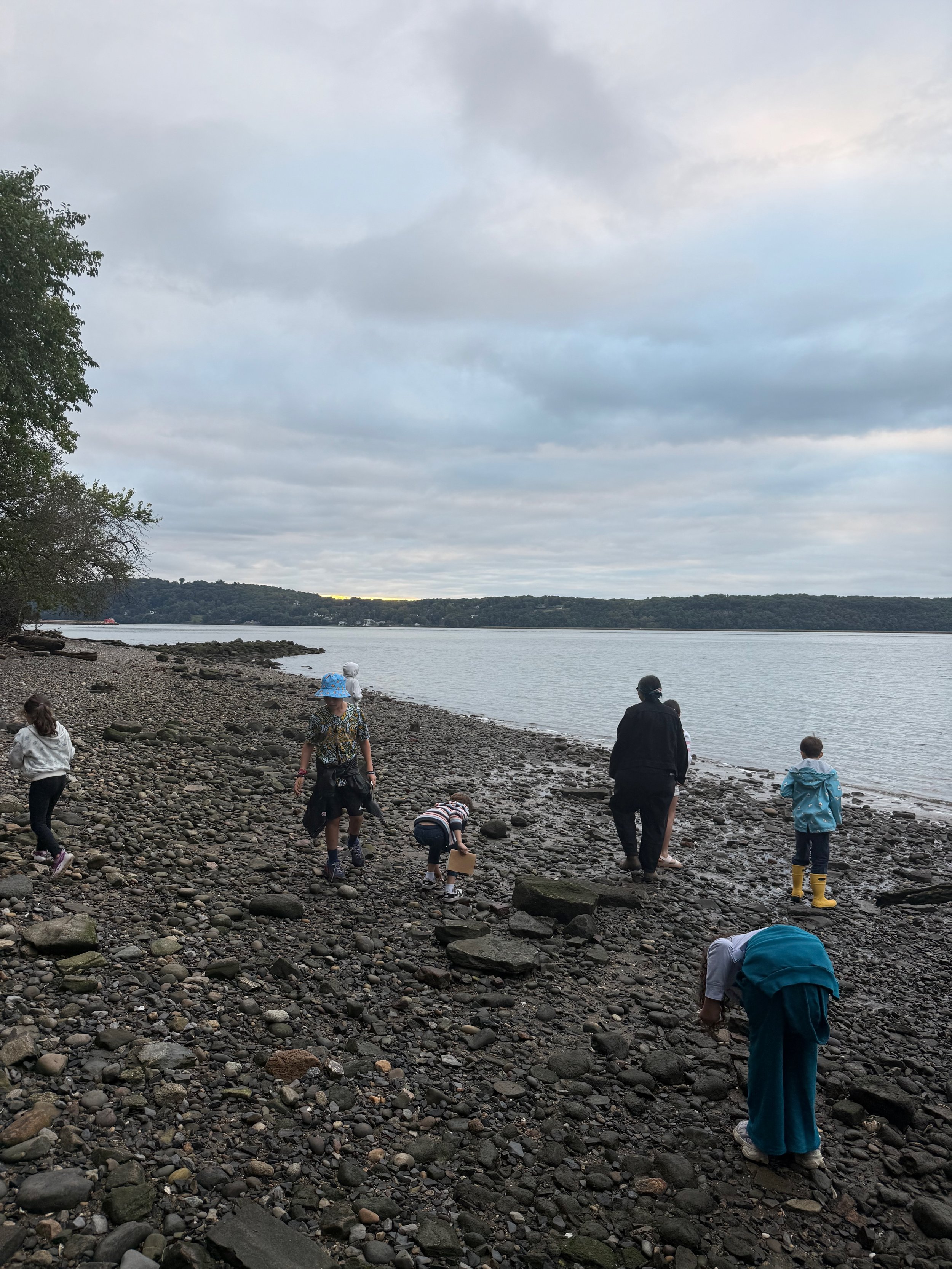
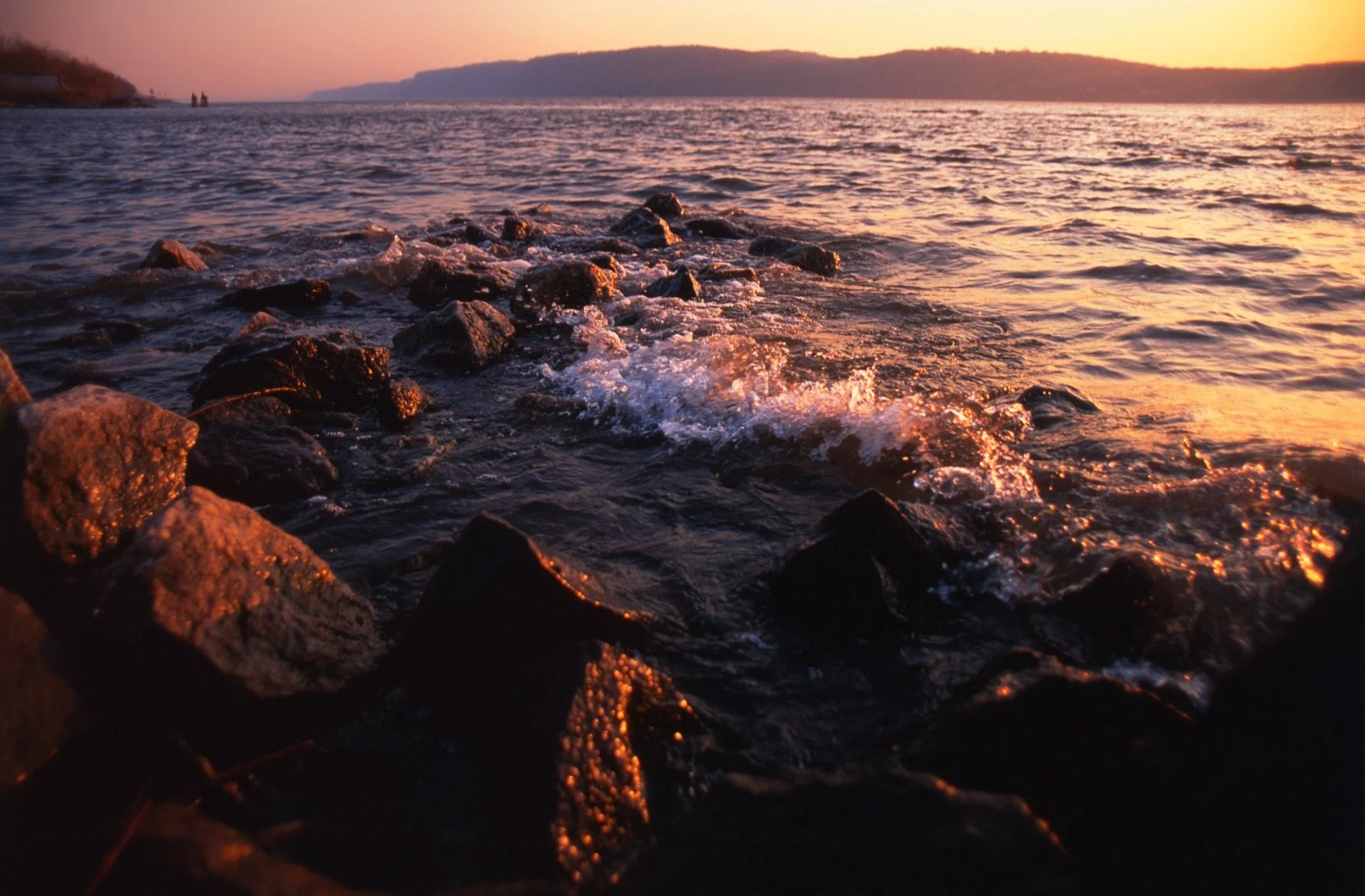
After crossing the footbridge (our right!), we ended our tour at the beach. The experience there wasn’t something we could manufacture in a classroom. It is a stunning view of the Hudson.
What’s Missing?
The following week, we held a share-out. The reporters compared notes and talked through what they had heard, like what “semi-nomadic” and “semi-domesticated” mean (think dogs and turkeys).
Here’s where we ask another important question: What’s missing? Is this the full story? Is there anyone else I should speak with? Is there another source I should look at? We checked out the descriptive panels at the waterfront and looked at the artifacts installed in the library to see what the midden excavation turned up. The conversation even spread to other places where people have looked for clues about life long ago, like the cave paintings at Lascaux.
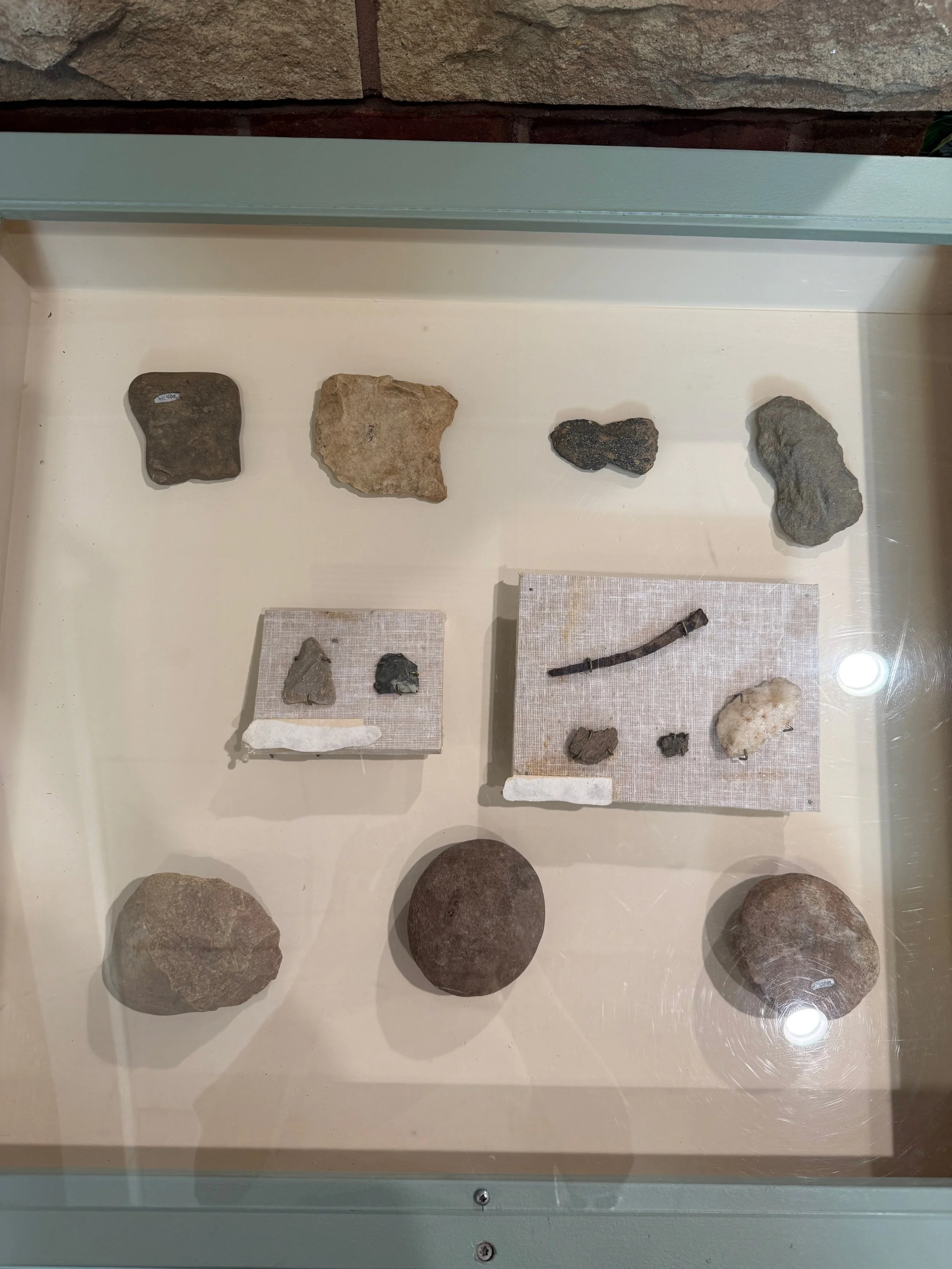
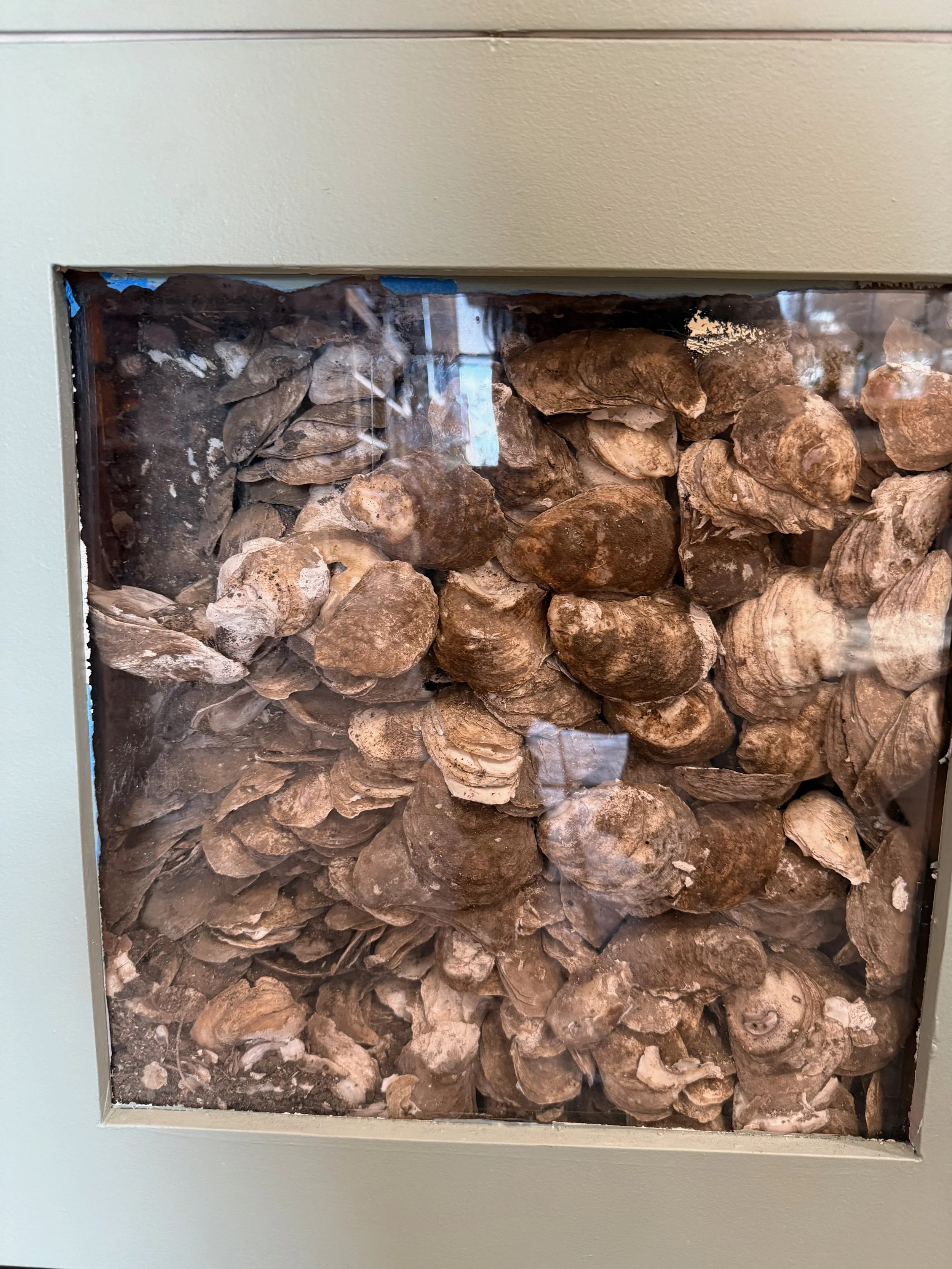
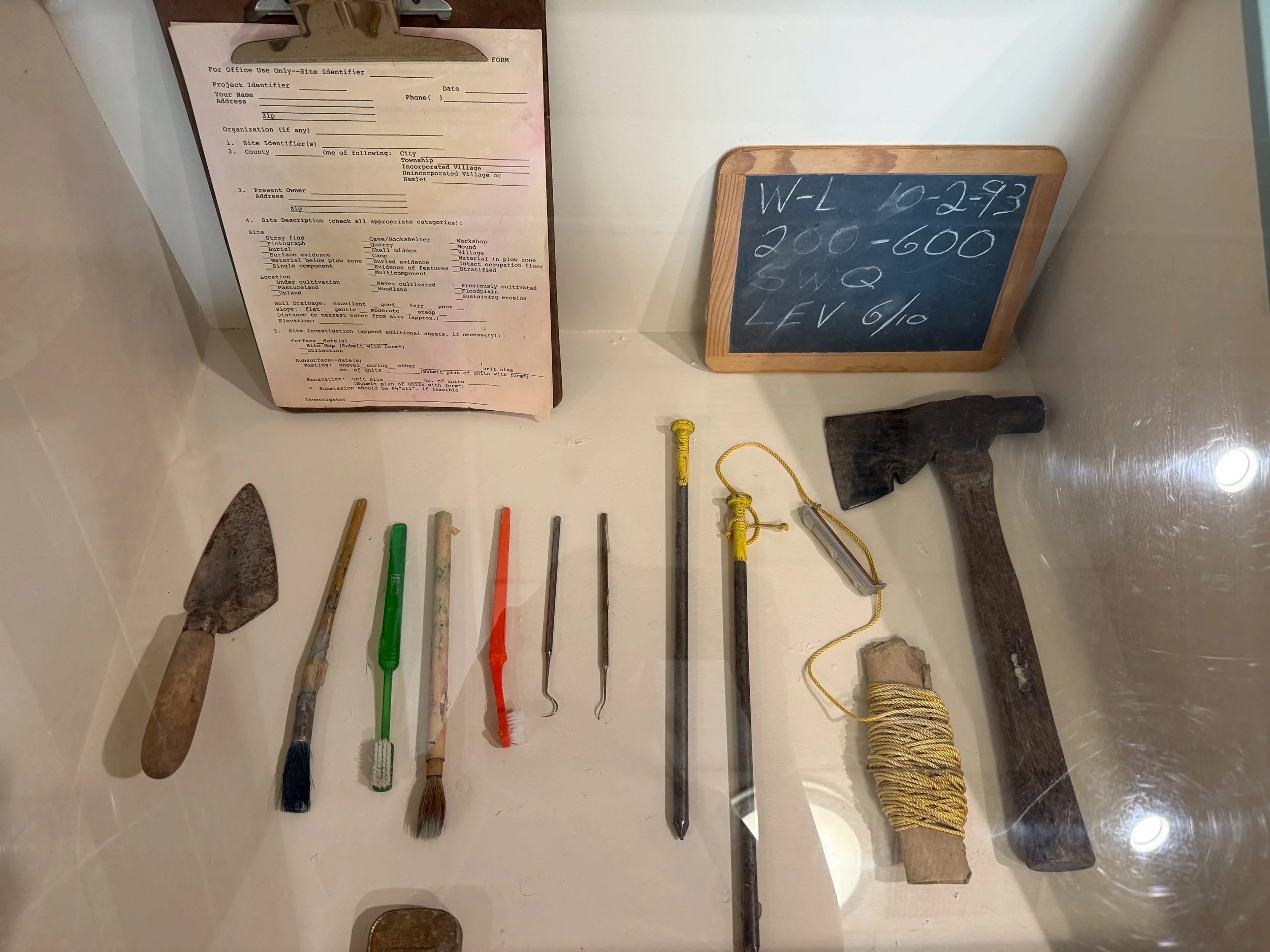
Production Time!
At this point, students usually have a strong feeling about whether they want to work on the project. Thankfully, we’ve never really had students arguing over a byline!
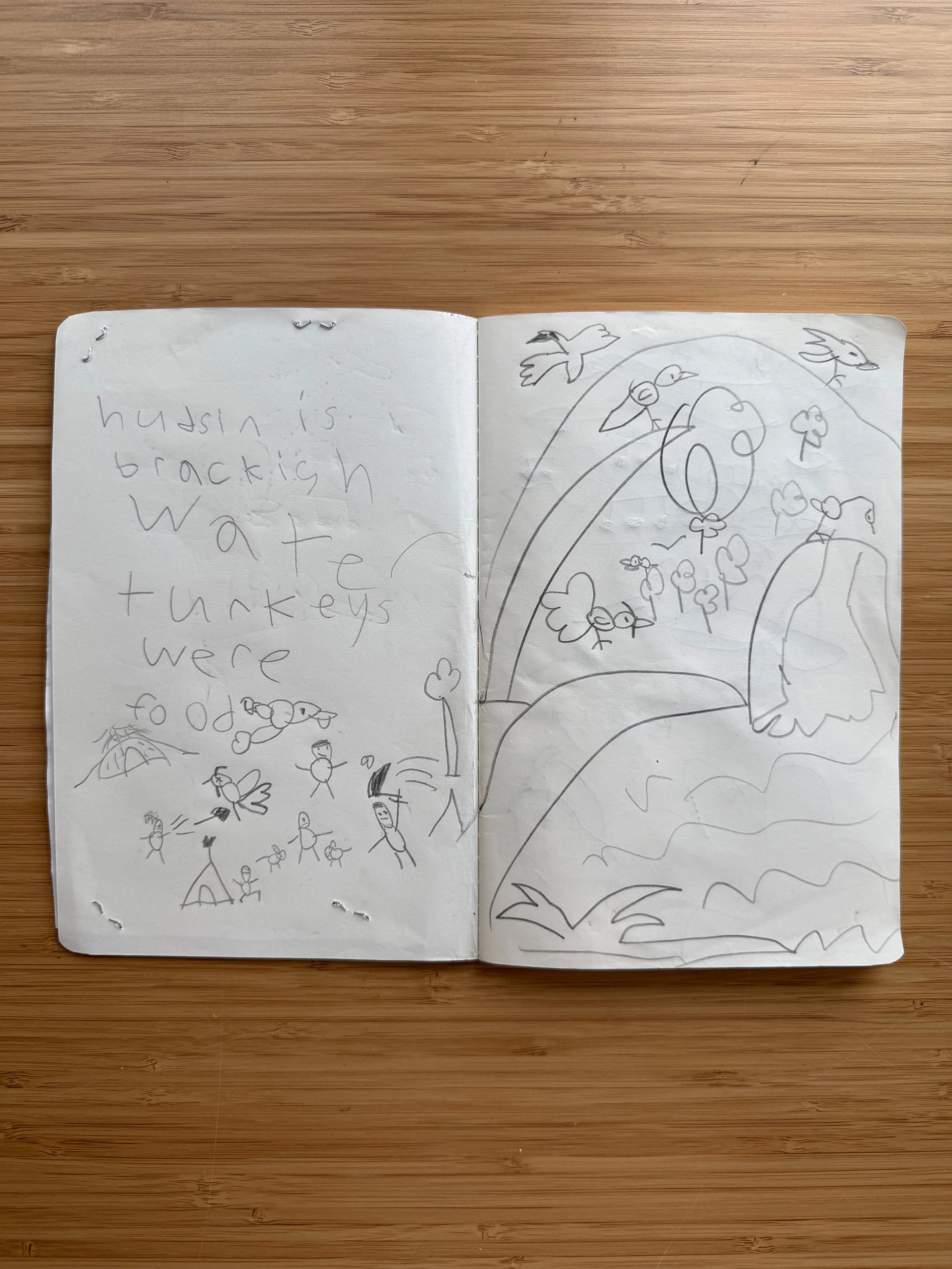
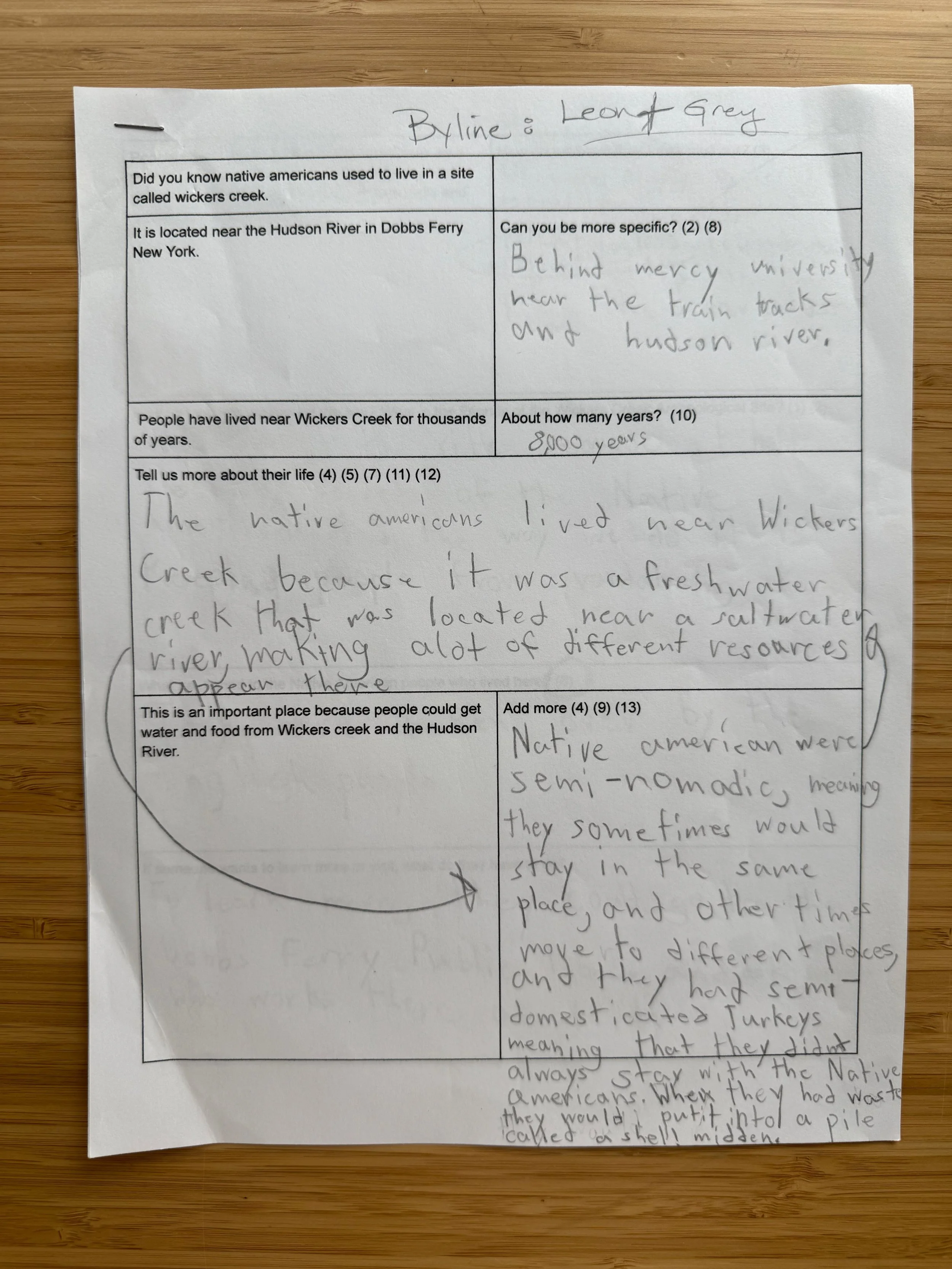
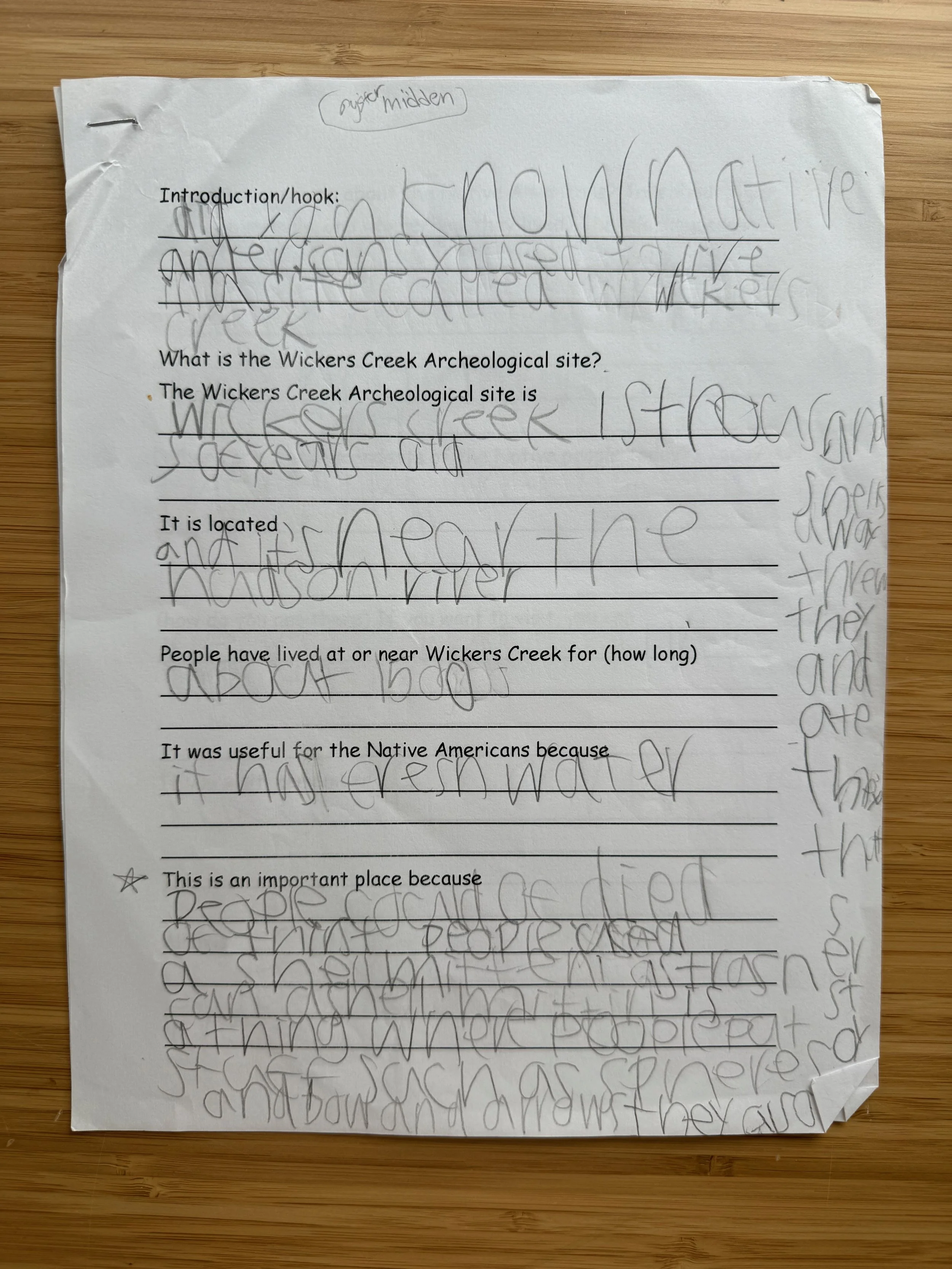
Leon got to work. He wrote what he knew with the help of classmates, especially Grey, who also added art from his field notebook.
Leon also made a choice that good reporters make: he didn’t leave out the hard part of the story. His article notes that the Native Americans who lived at Wickers Creek were taken over, killed, or pushed out by English, Dutch, and other European colonists. He ends the article by pointing readers toward ways to learn more for themselves.
Local History, Published by Kids
The Wickers Creek field trip exemplifies everything we value in Story Salon’s Newspaper Club. Children as young as 7 are making intellectual contributions to the written record. They are conducting original research and reporting on it. Kids aren’t just consuming information online and regurgitating it. They aren’t asking AI to generate content. They are going out into the world, asking questions, listening to real experts, and creating original work based on firsthand experience.
📸 Frederick Charles, 1990s
Read Leon’s Story
To read Leon’s article, look for the November 6th edition of The Little Dispatch in the Rivertowns Dispatch.
Further Reading: Grown-ups
Friends of the Wickers Creek Archaeolgical Site (FOWCAS) website
Wickers Creek original pamphlet by FOWCAS
In Their Footsteps, The New York Times (gift article)
Aboriginal Westchester by Tom Morrison
Wickers Creek Archaeolgical Site by Brendan Murphy, Westchester County Historical Society, entry on Clio
Further Reading: Kids
Exhibit of Wickers Creek artifacts at the Dobbs Ferry Public Library
Waterfront plaque about the Wiechquaeskeck people, north end of the Waterfront Park in Dobbs Ferry, New York (on the soccer field)
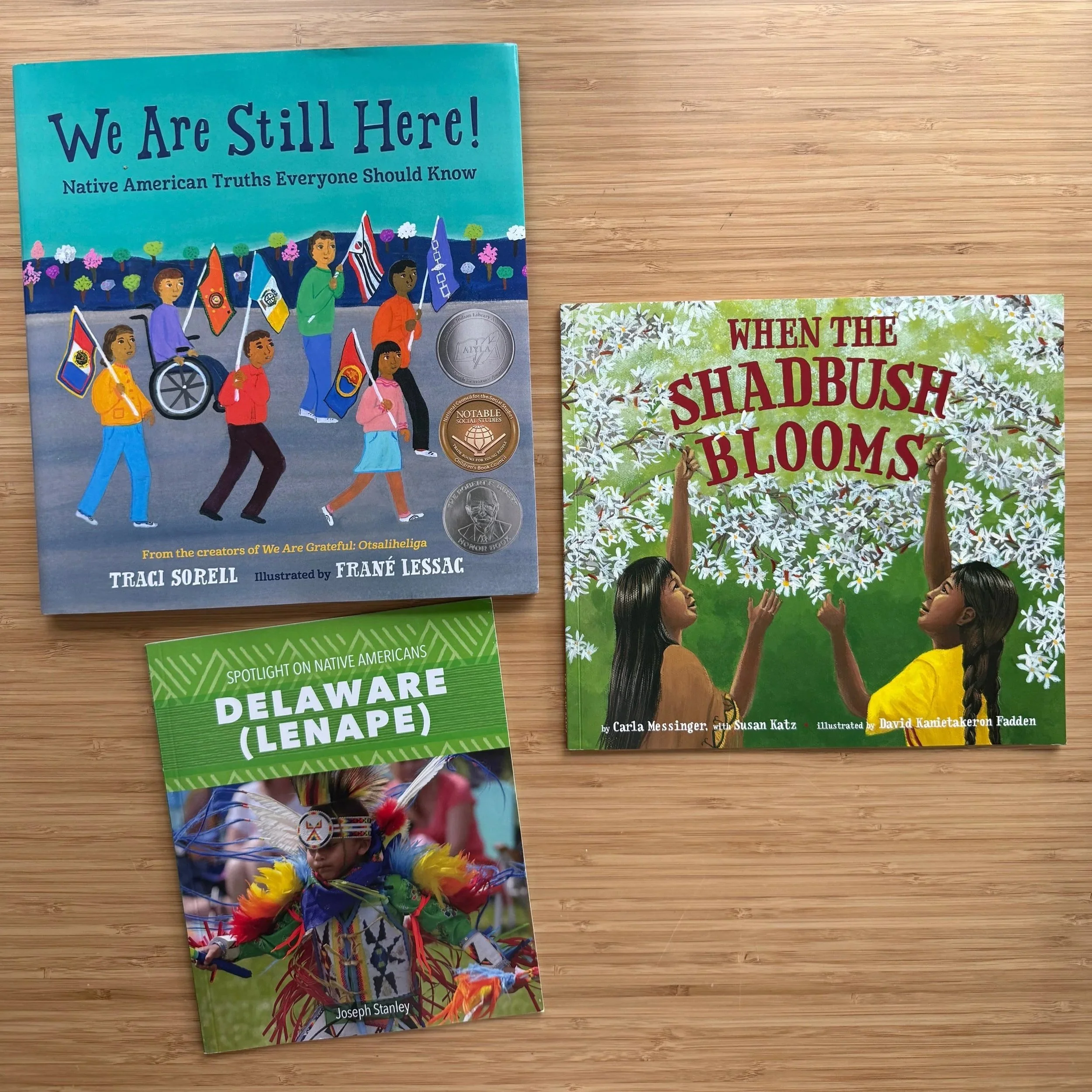
Spotlight on Native Americans: Delaware (Lenape) by Joseph Stanley
When the Shadbush Blooms by Carla Messinger, with Susan Katz
We Are Still Here! Native American Truths Everyone Should Know! by Traci Sorrell
📝 Story Salon is an after-school publishing studio for young people in the Rivertowns. Student work produced in our Newspaper Club is published in The Little Dispatch, the children’s section of the Rivertowns Dispatch Learn more here.
🙌 We are so grateful to Alan Harris and the Friends of the Wickers Creek Archaeological Site for sharing this special history with our young reporters.
📸 Photos of the river and surrounding woods were taken by Frederick Charles in the 1990s on the Wickers Creek walk with Tom Morrison

Was this message forwarded to you?
Join the Story Salon mailing list to be the first to know about workshops, after-school classes, and opportunities for young people to publish their work…